Are Lung Supplements FDA Approved? What the Rules Mean
| FDA approved? | No supplement is “FDA approved.” The FDA does not pre-approve dietary supplements the way it approves drugs. |
| Regulated? | Yes. Supplements are regulated as a category — makers are responsible for safety and honest labelling, and the FDA can act against bad actors. |
| Look for instead | An FDA-registered, GMP-certified facility, disclosed doses, honest structure-function language and a real guarantee. |
It is one of the most common and most misunderstood questions in the whole category: are lung supplements FDA approved? The short, honest answer is no — and that is not a scandal, it is simply how the law works. The U.S. Food & Drug Administration does not approve dietary supplements before they go on sale the way it approves prescription drugs. Any supplement that claims to be “FDA approved” is misrepresenting the rules, and that alone is a reason to be cautious. What actually matters is understanding how supplements are regulated, and which quality signals genuinely tell you something. This guide explains both in plain English.
None of what follows is legal or medical advice; it is a consumer-friendly walkthrough of how the framework works so you can shop more wisely. If you have a diagnosed respiratory condition or take medication, talk to your doctor before starting any supplement regardless of how it is regulated.
Why no supplement is “FDA approved”
Drugs and dietary supplements sit in two different regulatory worlds. New drugs must go through the FDA’s approval process — clinical trials, an evidence review, and pre-market approval — before they can be sold. Dietary supplements do not. Under a 1994 law called the Dietary Supplement Health and Education Act (DSHEA), supplements are treated as a category of food, not drugs, and they do not require FDA approval before reaching shelves.
That does not mean supplements are unregulated — a common misconception. It means the responsibility sits mainly with the manufacturer: they must ensure their product is safe, that the label is truthful and not misleading, and that any claims stay within the rules. The FDA’s role is largely after the fact: it can inspect facilities, take action against unsafe products, and pursue companies that make illegal claims. So “not FDA approved” is the normal, expected state for every supplement on the market — the phrase “FDA approved” simply does not apply to the category.
What the rules DO require
Even without pre-approval, several real obligations apply to a legitimately made supplement. Understanding them helps you separate genuine quality signals from marketing.
Manufacturing standards (cGMP)
Supplement makers are expected to follow Current Good Manufacturing Practices — standards for cleanliness, consistency, quality control and accurate labelling. A product made in a GMP-certified facility has been assessed against those standards, which is one of the strongest everyday signals that what is on the label is really in the bottle.
Facility registration
Facilities that make supplements register with the FDA and are subject to its rules and possible inspection. An FDA-registered facility is therefore a meaningful phrase — but notice what it says and does not say. It speaks to where and how the product is made; it is not an FDA endorsement of the product itself.
Honest, limited claims
Supplements may make general “structure-function” statements — for example, that an ingredient supports normal respiratory or antioxidant function — but they may not claim to diagnose, treat, cure or prevent a disease. That is why responsible respiratory supplements talk about everyday support rather than curing lung conditions, and why any product promising a cure is waving a red flag. The familiar disclaimer — “These statements have not been evaluated by the FDA…” — is a direct result of these rules.
Made to the standards that actually matter
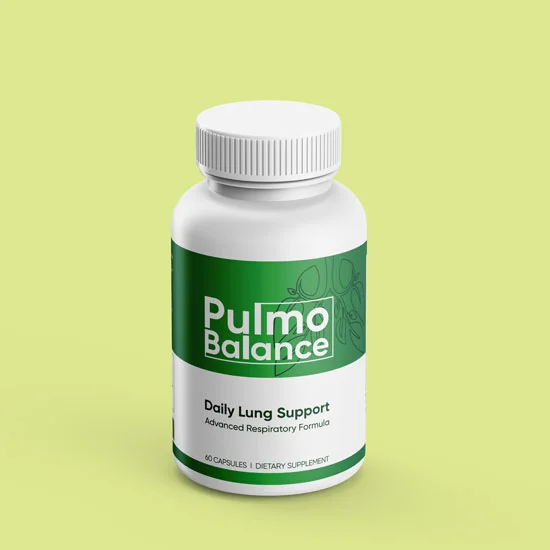
Pulmo Balance is a plant-based formula made in an FDA-registered, GMP-certified facility, with non-GMO ingredients and disclosed amounts on the label — and honest, support-focused language, backed by a 60-day money-back guarantee.
See How Pulmo Balance Is MadeWhat to look for instead of “FDA approved”
Since “FDA approved” is not a thing for supplements, use these real signals to judge quality — they tell you far more than any approval badge could.
| GMP-certified facility | Consistency, quality control and accurate labelling have been assessed against a standard. |
| FDA-registered facility | The manufacturing site is registered and subject to FDA rules and inspection. |
| Disclosed doses | You can see how much of each ingredient is inside — not a hidden “proprietary blend.” |
| Honest language | Support-and-maintenance wording, plus the standard FDA disclaimer — not disease-cure claims. |
| A real guarantee | A money-back guarantee shows the company will stand behind its product. |
If you want to turn these into a full shopping checklist, our buyer’s guide to choosing a lung health supplement walks through the whole label, and our honest look at whether lung supplements actually work sets realistic expectations for what any of them can do.
Badges that mean something — and one that never exists
You will never see a genuine “FDA approved” badge on a supplement, because it cannot exist. What you can and should look for are GMP certification, made-in-USA manufacturing and clear, disclosed labelling — the signals that actually speak to quality and honesty.
Compare Pulmo Balance Packages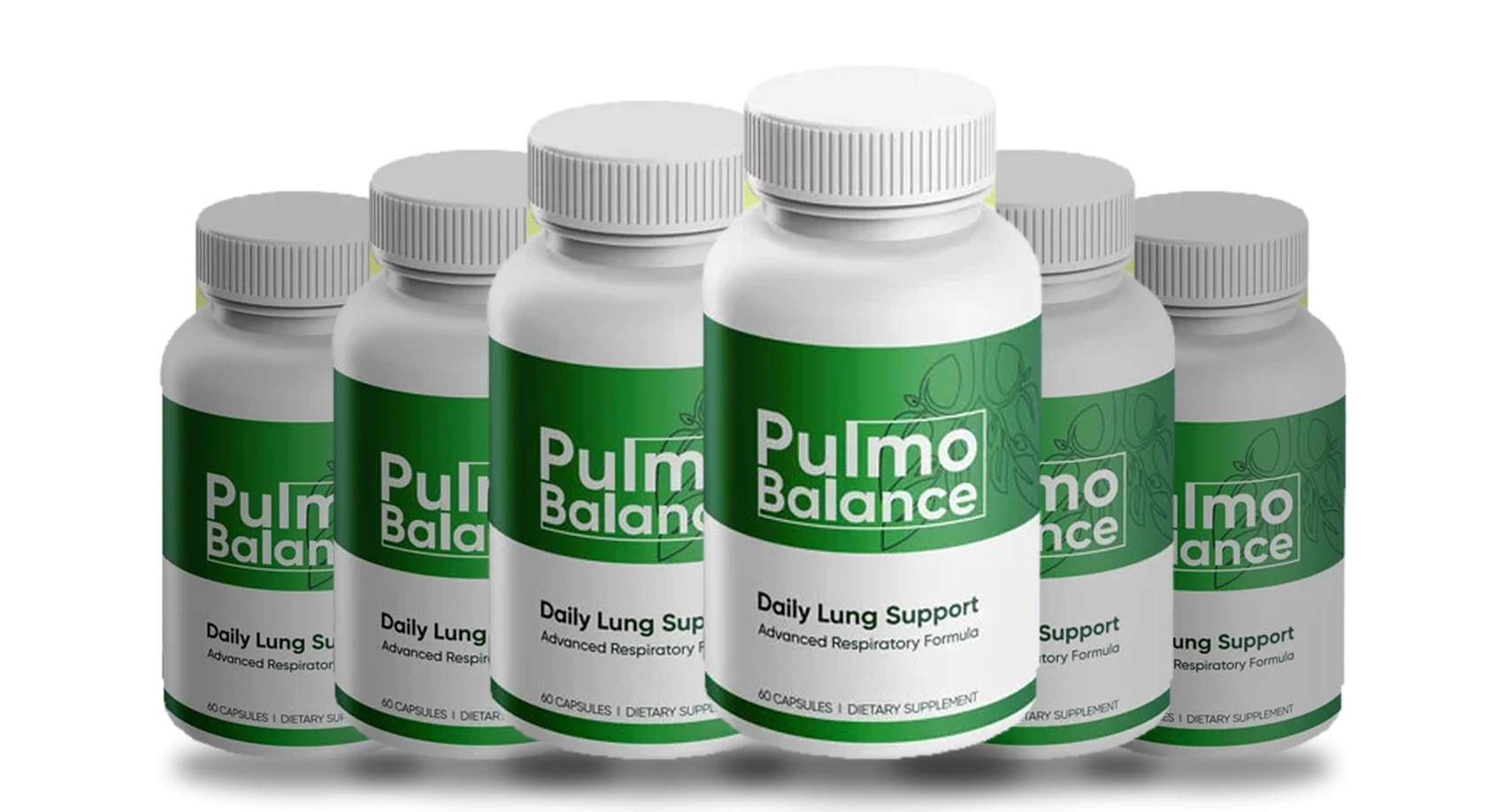
Quality manufacturing, sensible supply
The same standards apply to every bottle in a multi-bottle pack — and buying a few months at once lowers the per-bottle price while giving a daily routine time to settle in, all backed by the 60-day guarantee.
See Pulmo Balance PackagesRegulated but not risk-free: a safety note
One last honest point. “Not FDA approved” does not mean dangerous, but “natural” and “regulated” do not mean risk-free either. Botanicals such as bromelain and nettle can interact with certain medications, and the responsibility for choosing wisely partly sits with you. The safest approach is to buy from a brand that uses the real quality signals above, and to check with your doctor or pharmacist before starting a supplement — especially if you are pregnant, nursing, on blood thinners, or taking prescription medicine. For a fuller walkthrough of tolerability and who should be cautious, see our guide on whether Pulmo Balance is safe.
What the rules mean when you are choosing a formula
The practical upshot of all this is simple: because no regulator has vetted the finished product for you, the checking is yours to do. The NIH Office of Dietary Supplements sets out that division of responsibility plainly in Dietary Supplements: What You Need to Know, and NCCIH covers the same ground for herbal products in Using Dietary Supplements Wisely. Both are worth ten minutes before any purchase.
It is also why "unapproved" is not the same as "useless" and "approved" is not the same as "safe for you". Some of the most sobering supplement evidence we have comes from approved, well-run trials of ordinary nutrients: the Cochrane review Drugs for preventing lung cancer in healthy people (2020) weighs trials in which high-dose beta-carotene increased lung cancer rates in smokers rather than reducing them. Regulatory status tells you who checked the paperwork. It does not tell you whether a product suits your body.
If you want the label-by-label version of that check, our guide to choosing a lung health supplement walks through the specific red flags. For the harder question underneath, of what these formulas can realistically achieve, see do lung supplements actually work. And if the reason you are reading this is a smoking history, the caution above matters more than usual — we go through it in lung supplements for smokers.
See a doctor, not a supplement, for breathing that is getting worse. New, sudden or worsening breathlessness, a cough lasting more than three weeks, coughing up blood, chest pain, or a reliever inhaler that has stopped working can all signal asthma, COPD, infection or heart disease, and need assessing by a clinician. Seek emergency care for severe breathlessness, blue lips or chest pain. No dietary supplement treats, cures or prevents any lung condition.
Frequently asked questions
Are lung supplements FDA approved?
No dietary supplement is “FDA approved,” and any that claims to be is misrepresenting the rules. The FDA does not approve dietary supplements before they go on sale the way it approves drugs. Instead, supplements are regulated as a category under the DSHEA law: manufacturers are responsible for safety and honest labelling, and the FDA can act against products that are unsafe or make illegal claims. So the honest answer is that lung supplements are regulated but not pre-approved.
What does “FDA-registered facility” actually mean?
It means the facility where the supplement is made is registered with the FDA and subject to its rules and possible inspection. It is a real and useful quality signal, but it is not the same as the product being FDA approved. It speaks to how and where the product is manufactured, not to an endorsement of the product itself.
What does GMP-certified mean for a supplement?
GMP stands for Good Manufacturing Practices — a set of standards for consistency, cleanliness, quality control and accurate labelling in manufacturing. A GMP-certified facility has been assessed against those standards. It is one of the strongest everyday quality signals you can look for, because it addresses whether what is on the label is really what is in the bottle.
If supplements are not FDA approved, are they safe?
Not being pre-approved is not the same as being unregulated or unsafe. Reputable supplements are made in FDA-registered, GMP-certified facilities, use disclosed ingredients and are sold with honest labelling. That said, “natural” does not mean risk-free, botanicals can interact with medications, and you should check with your doctor before starting any supplement, especially if you take medicine or have a condition.
Can a lung supplement claim to treat or cure a disease?
No. Under the rules, dietary supplements may make general structure-function statements about supporting normal function, but they cannot legally claim to diagnose, treat, cure or prevent a disease. A product that claims to cure a lung disease is making an illegal claim — treat that as a serious red flag, not a selling point.
About the Pulmo Balance Research Team
The Pulmo Balance Research Team is an independent group of writers and reviewers focused on respiratory wellness. We explain the rules of the category in plain English — including how the FDA does and does not regulate supplements — and describe the traditional and general use of ingredients honestly. Our guides are for information only and are not legal or medical advice; please talk to your doctor before starting a supplement, especially if you take medication or have a condition.
References
- Dietary Supplements: What You Need to Know — NIH Office of Dietary Supplements.
- Using Dietary Supplements Wisely — NCCIH.
- Drugs for preventing lung cancer in healthy people — Cochrane Database Syst Rev, 2020. PMID 32130738.
- Botanical Dietary Supplements — NIH Office of Dietary Supplements.
- Research on an ingredient is not evidence about a finished product. Every PubMed identifier above was re-checked against the NCBI record on 3 September 2026 and resolves to the paper named beside it.
† These statements have not been evaluated by the FDA. This product is not intended to diagnose, treat, cure or prevent any disease. This article is for general information only and is not medical advice.