How to Choose a Lung Health Supplement (2026 Buyer's Guide)
| The goal | Learn how to choose a lung health supplement using the label, not the marketing. |
| Non-negotiables | Fully disclosed doses, FDA-registered & GMP-certified facility, non-GMO, real money-back guarantee. |
| Watch out for | Proprietary-blend hiding, disease claims, no company address, no refund policy. |
If you have ever stood in the supplement aisle — or scrolled a dozen browser tabs — trying to figure out how to choose a lung health supplement, you already know the problem: every bottle promises “clear breathing” and “powerful respiratory support,” and almost none of them explain how. This guide fixes that. Instead of comparing slogans, you will learn to read the parts of a label that actually matter, spot the red flags that separate a serious respiratory formula from a hopeful one, and end up with a short, repeatable checklist you can use on any product you are weighing up.
We will keep it plain-English and practical. None of the ingredients discussed here are a cure for anything, and a supplement is never a replacement for medical care. Think of a good lung supplement the way you would think of a daily walk or eating more greens — steady, low-effort support for a body that is already doing the work. With that framing in place, here is exactly how to choose a lung health supplement you can trust.
Start with your goal, not the bottle
Before you compare a single product, get clear on what “lung support” means for you, because different botanicals lean in different directions. Broadly, people shopping for a respiratory formula want one of three things: everyday airway comfort during dusty commutes and seasonal changes, help keeping mucus thin and easy to clear, or antioxidant support for tissue that is constantly exposed to the air. Naming your goal turns a vague purchase into a targeted one, and it makes the ingredient list far easier to judge.
It also protects you from over-buying. You do not need a formula with forty ingredients if six well-chosen ones cover your goal. In supplements, a long ingredient list is often a marketing choice rather than a formulation one — more names on the label look impressive, but each extra item usually means a smaller amount of everything else. Clarity about your goal is the first and most valuable filter.
How to choose a lung health supplement: the label checklist
Nearly everything worth knowing is printed on the label if you know where to look. When you learn how to choose a lung health supplement, this is the part that does the heavy lifting.
1. Fully disclosed doses, not a “proprietary blend”
A proprietary blend lists a group of ingredients and one combined weight — say “Respiratory Blend 900 mg” — without telling you how much of each herb is inside. That means a formula could be almost entirely one cheap filler with a token pinch of the herb you actually came for, and the label would look identical to a well-balanced one. A transparent product names every ingredient and its individual amount. If two products are otherwise similar, the one that shows its doses wins every time.
2. Made in an FDA-registered, GMP-certified facility
Be precise about what this means. The FDA does not approve dietary supplements, so any product claiming to be “FDA approved” is misleading. What you want instead is manufacturing in a facility that is FDA-registered and follows Good Manufacturing Practices (GMP). That is a quality-control signal — it speaks to how carefully the product is made, tested and documented, not to a government endorsement of the formula.
3. Clean sourcing: non-GMO and honest about allergens
Look for non-GMO sourcing and a clear statement about common allergens and additives. A formula that is upfront about being vegetarian, gluten-free or dairy-free is telling you it has nothing to hide. Fewer unnecessary fillers, binders and artificial colours is generally better, especially in something you plan to take every day.
4. A real, generous money-back guarantee
Botanicals reward consistency, so you often need several weeks to judge how a formula feels. A short 14-day return window does not give a slow-building supplement a fair trial. A genuine 60-day (or longer) money-back guarantee tells you the company expects you to actually use the product before deciding — and lets you try it with your downside capped.
A formula built to pass this checklist
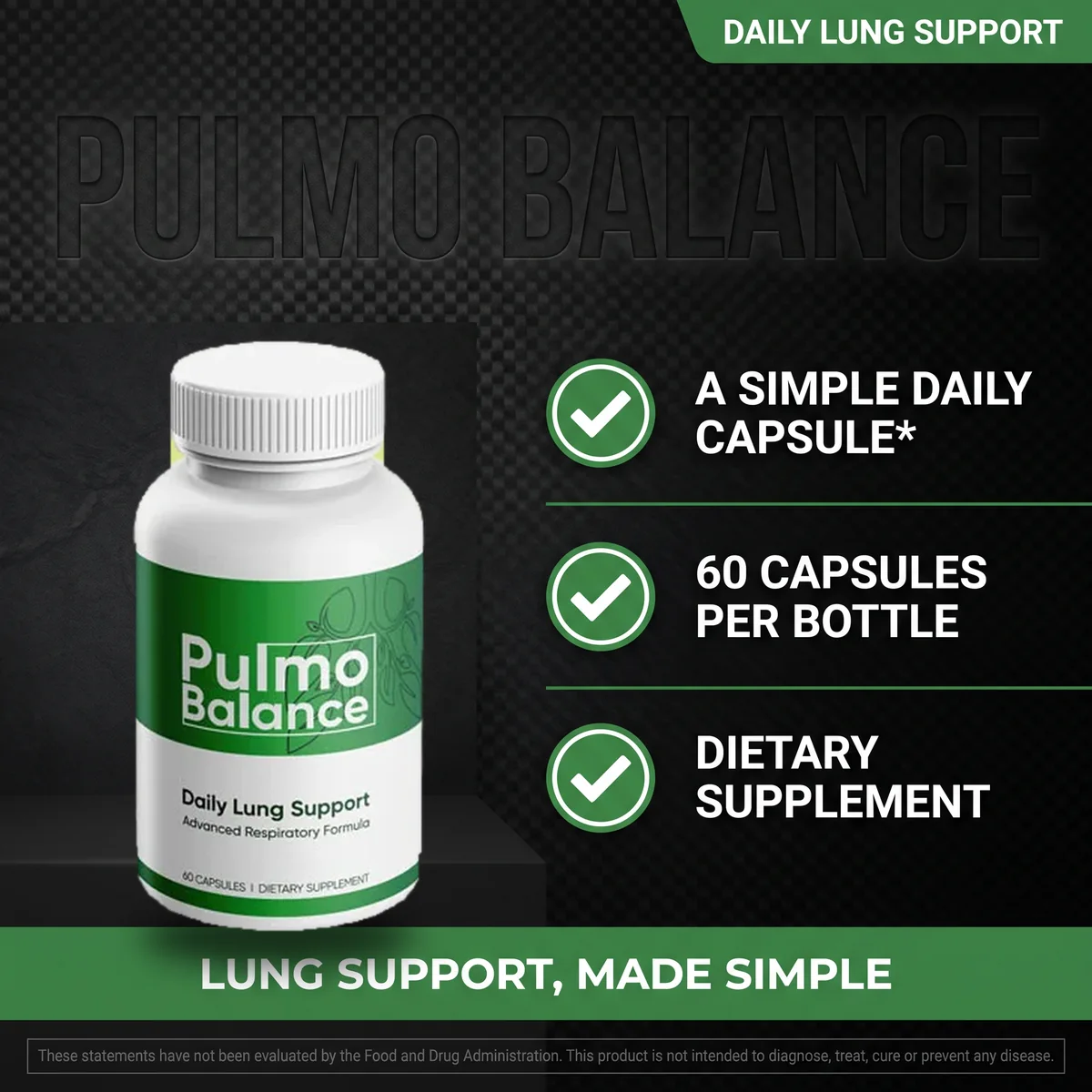
Pulmo Balance lists every botanical by name, is made in an FDA-registered, GMP-certified facility with non-GMO ingredients, and is backed by a 60-day money-back guarantee — so you can put it through the exact test above.
See Pulmo Balance PackagesThe ingredients worth looking for
Once the quality boxes are ticked, turn to the botanicals themselves. You do not need to memorise pharmacology — you just need to recognise the names that come up again and again in traditional respiratory use and modern research. The strongest formulas combine a few complementary ingredients that each do a slightly different job.
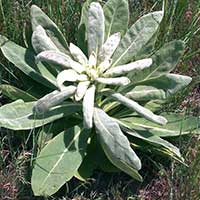
Mullein leaf is the classic airway-soothing herb, valued for generations for calming a dry, scratchy chest and encouraging the body to clear mucus. Tiger milk mushroom has a long folk history across South-East Asia for bronchial wellness. Bromelain, a group of enzymes from pineapple, is traditionally used to help thin thick, sticky mucus. Maritime pine bark is one of nature’s richest sources of antioxidant proanthocyanidins — useful because respiratory tissue faces constant oxidative stress. Stinging nettle supports a balanced response to seasonal and airborne triggers, and asparagus rounds things out with whole-food antioxidants and fibre.
For a deeper look at each of these, our companion guide on the best herbs for lung health breaks down how they work and how to use them. The key takeaway for a buyer is simple: a formula that includes several of these, in disclosed amounts, is doing something more thoughtful than one leaning on a single trendy ingredient.
Capsule, tea, tincture or gummy? Match the format to real life
The best format is the one you will actually take every day. Teas and tinctures can be lovely rituals, but they demand daily preparation, and a missed cup is a missed dose. Gummies are pleasant but often carry added sugar and lower active amounts. For most people, a once-daily capsule is the most reliable delivery method precisely because it removes friction — one capsule, same time each day, no measuring. Since consistency is where botanicals earn their keep, convenience is not a luxury here; it is part of whether the product works for you at all.
Red flags that should end the conversation
Some signals are serious enough to rule a product out on their own. Walk away from anything that claims to treat, cure or prevent a disease — that is both legally improper for a supplement and a sign the seller is not playing by the rules. Be wary of a bottle with no clear ingredient amounts, no company name or physical address, no refund policy, or pressure tactics like fake countdown timers claiming the last few bottles are vanishing. Reviews that are all five stars with no specifics are another caution; genuine feedback tends to be mixed and detailed. When in doubt, the transparency of the seller tells you as much as the formula.
Why the multi-bottle option usually makes sense
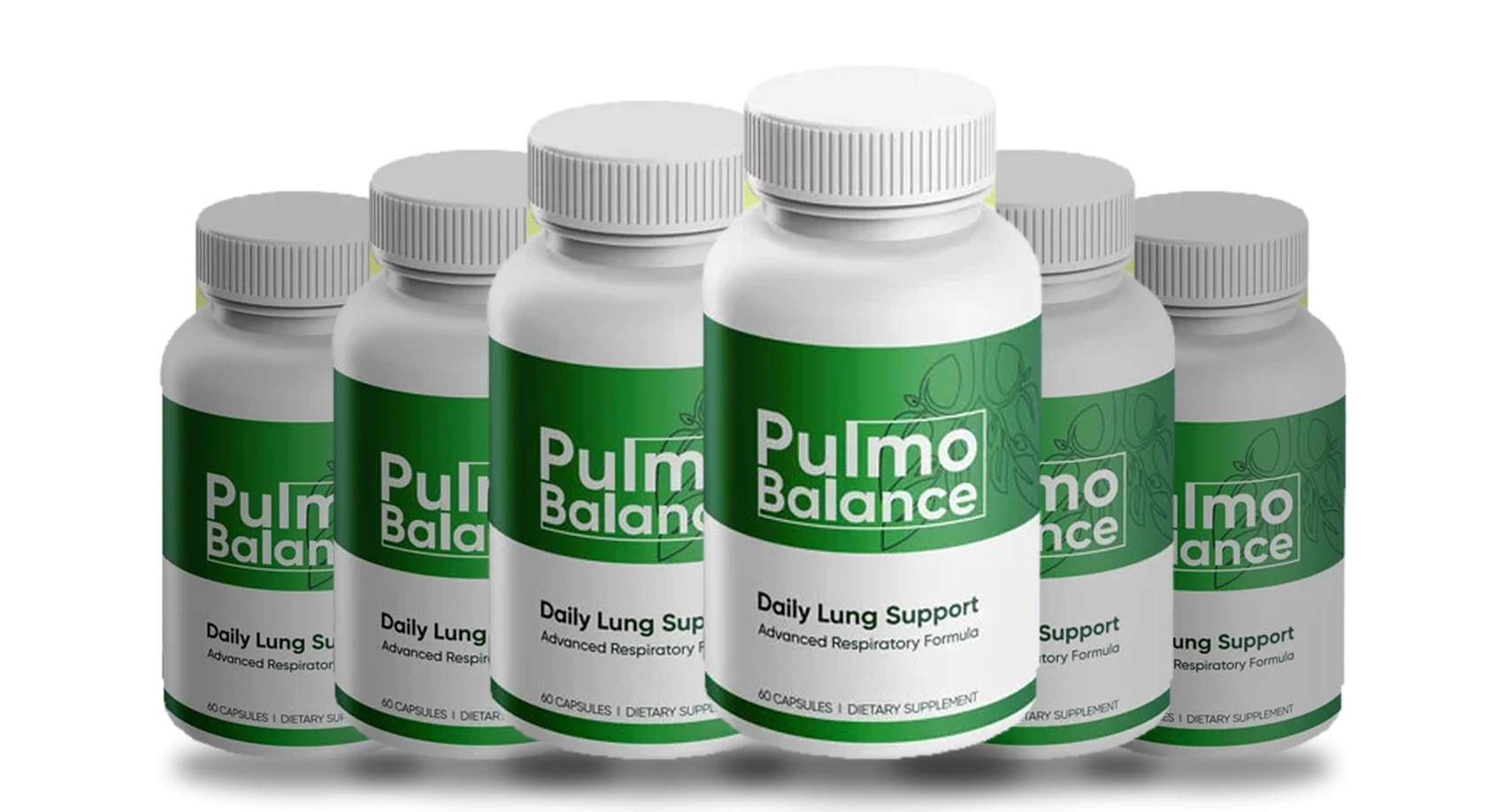
Because botanicals build gradually, a single bottle rarely tells the full story. A three- or six-bottle pack gives your routine the several-month runway it needs, and it almost always brings the per-bottle price down. Paired with a 60-day guarantee, a multi-bottle pack is the lower-risk way to give any lung supplement — including Pulmo Balance — a fair trial.
Compare Pulmo Balance PackagesPutting it all together
Here is the whole method in one breath: decide what you want lung support to do for you, then reward the product that shows its full ingredient amounts, is made to GMP standards in an FDA-registered facility, uses clean non-GMO sourcing, offers a generous guarantee, and combines a few well-studied botanicals in a format you will genuinely take every day. Everything else — the hero images, the countdown timers, the bold breathing promises — is noise. If a product survives that checklist, it deserves a place on your shortlist. If you want to see how one formula stacks up against a single-herb approach, our comparison of Pulmo Balance vs mullein tea is a good next read, and if you are weighing a specific purchase, is Pulmo Balance worth it? walks through the honest pros and cons. You can also start from our Pulmo Balance homepage to see the full label.
Check the evidence behind the ingredient, not the promise on the front
The front of a bottle is marketing; the back is information; the literature is the only place a claim can actually be checked. Before you commit, look up the two or three headline ingredients and see what sort of study, if any, sits behind them. It is a five-minute habit that changes what you buy.
Be ready for mixed answers, because that is what the field usually returns. The 2020 Cochrane review of pine bark extract is a good example: a widely marketed antioxidant, reviewed properly, produced small and inconsistent trials rather than a clear result. A brand quoting that ingredient without that caveat is telling you something about its standards. The NIH Office of Dietary Supplements sets out what a label can and cannot promise in Dietary Supplements: What You Need to Know, and its Botanical Dietary Supplements sheet covers extracts specifically; NCCIH adds the practical safety layer in Using Dietary Supplements Wisely.
Two more checks close the loop. Understand the regulatory floor first, in are lung supplements FDA approved, so a phrase like "FDA-registered facility" cannot mislead you. Then buy in a way that keeps your refund rights, as we set out in where to buy Pulmo Balance. If pollen is the reason you are shopping, the seasonal allergy guide narrows the ingredient list further.
See a doctor, not a supplement, for breathing that is getting worse. New, sudden or worsening breathlessness, a cough lasting more than three weeks, coughing up blood, chest pain, or a reliever inhaler that has stopped working can all signal asthma, COPD, infection or heart disease, and need assessing by a clinician. Seek emergency care for severe breathlessness, blue lips or chest pain. No dietary supplement treats, cures or prevents any lung condition.
Frequently asked questions
How do I choose a lung health supplement?
Start with the label. Choose a lung health supplement that names every ingredient and its amount instead of hiding behind a proprietary blend, is made in an FDA-registered and GMP-certified facility, uses non-GMO ingredients, and comes with a genuine money-back guarantee. Then match the botanicals to your goal — everyday airway comfort, mucus balance or antioxidant support.
What ingredients should a good lung supplement contain?
Well-studied respiratory botanicals include mullein leaf, tiger milk mushroom, bromelain, maritime pine bark, stinging nettle and asparagus. A thoughtful formula combines a few complementary ingredients rather than relying on a single herb or padding the label with a long list of trace amounts.
Is a proprietary blend a red flag?
It can be. A proprietary blend lists a total weight but not the amount of each ingredient, so you cannot tell whether a herb is present in a meaningful amount or just a pinch for label appeal. A fully disclosed label is more transparent and easier to compare.
Does an FDA-registered facility mean the FDA approves the supplement?
No. The FDA does not approve dietary supplements. An FDA-registered, GMP-certified facility means the manufacturing site follows Good Manufacturing Practices and is registered with the agency — a quality-control signal, not a product endorsement.
How long should I try a lung supplement before deciding?
Give it several weeks of consistent daily use. Botanicals build their support gradually, which is why a generous 60-day guarantee matters — it gives the formula a fair trial before you commit.
About the Pulmo Balance Research Team
The Pulmo Balance Research Team is an independent group of writers and reviewers focused on respiratory wellness. We read the studies, the labels and the fine print so you do not have to, and we write in plain English. Our guides describe traditional and general use of botanicals for everyday support; they are not medical advice, and we always encourage you to speak with your doctor before starting a new supplement.
References
- Dietary Supplements: What You Need to Know — NIH Office of Dietary Supplements.
- Using Dietary Supplements Wisely — NCCIH.
- Pine bark (Pinus spp.) extract for treating chronic disorders — Cochrane Database Syst Rev, 2020. PMID 32990945.
- Botanical Dietary Supplements — NIH Office of Dietary Supplements.
- Research on an ingredient is not evidence about a finished product. Every PubMed identifier above was re-checked against the NCBI record on 3 September 2026 and resolves to the paper named beside it.
† These statements have not been evaluated by the FDA. This product is not intended to diagnose, treat, cure or prevent any disease. This article is for general information only and is not medical advice.