Pulmo Balance vs Mullein Tea: Which Lung Support Wins?
| Mullein tea | One soothing airway herb, brewed fresh daily — a lovely ritual, but a single ingredient and some effort. |
| Pulmo Balance | Six respiratory botanicals in one daily capsule, in disclosed amounts, no preparation. |
| Best pick | Tea for ritual and simplicity; the capsule for broader, effortless, consistent support — or both. |
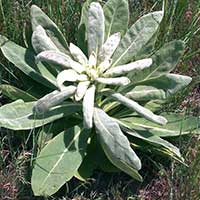
Mullein tea has quietly become one of the most talked-about home remedies for the airways, so it is no surprise people weighing a respiratory supplement type “Pulmo Balance vs mullein tea” into the search bar. Both aim at the same broad goal — everyday breathing comfort — but they go about it in very different ways. This comparison lays them side by side fairly, so you can decide which fits your life, your budget and your habits. And if the answer turns out to be “both,” that is perfectly reasonable too.
One honest note up front: neither mullein tea nor any supplement is a cure for a medical condition, and neither replaces care from your doctor. What follows compares them as everyday wellness options, not treatments. If you have asthma, COPD, a persistent cough or any diagnosed respiratory issue, read this as background and speak with a professional before changing anything.
What mullein tea offers
Mullein (Verbascum thapsus) is the classic “lung herb.” Its soft, fuzzy leaves have been brewed into teas for centuries to soothe the throat and airways and to encourage the body to clear mucus. Brewing a cup is a genuinely pleasant ritual: the warmth itself feels good on a scratchy chest, and the act of pausing to make and sip it can be calming in a way that matters for breathing. For someone who enjoys tea and wants a single, time-honoured herb, mullein tea is a lovely, low-cost place to start.
Its limitations are the flip side of its simplicity. Mullein tea gives you one herb — and only the compounds that dissolve into hot water — so it does not cover the antioxidant, enzyme or seasonal-balance angles that other botanicals bring. Potency varies with the leaf quality, the steeping time and how much you drink. And it takes daily effort: you have to buy it, store it, brew it and (ideally) strain the fine hairs through a filter. A skipped, rushed morning is a skipped dose.
What Pulmo Balance offers
Pulmo Balance takes the multi-ingredient route. Instead of one herb, it combines six well-studied respiratory botanicals in a single once-daily capsule: mullein leaf, tiger milk mushroom, bromelain, maritime pine bark, stinging nettle and asparagus. Crucially, the label discloses what is inside rather than hiding behind a vague blend. So you still get mullein — the same herb at the heart of the tea — but alongside a mushroom prized in South-East Asia for bronchial wellness, an enzyme from pineapple that helps thin thick mucus, a pine-bark extract rich in antioxidants, and two more whole-food botanicals for balance. Our guide to the best herbs for lung health explains each in depth.
The other big difference is convenience, and it is not a trivial one. Botanicals reward consistency, and a capsule you swallow in three seconds is far easier to take every single day than a tea you have to brew. That reliability is arguably the capsule’s biggest advantage over the tea — not just more ingredients, but a much higher chance you actually take them daily.

Pulmo Balance vs mullein tea: side-by-side
| Ingredients | Mullein tea: one herb. Pulmo Balance: six botanicals including mullein, in disclosed amounts. |
| Effort | Tea: buy, brew, strain, sip daily. Capsule: swallow once, done. |
| Consistency | Tea depends on you brewing it; the capsule makes daily use nearly effortless. |
| Ritual | Tea wins on warmth and the pause-and-sip ritual. |
| Cost | Loose tea can be cheap per cup; the capsule costs more but does more, and multi-packs lower the price. |
| Guarantee | Tea: none. Pulmo Balance: 60-day money-back guarantee. |
Laid out this way, the choice comes down to what you value. If you love the ritual and want the simplest possible single herb, mullein tea is a fine choice. If you want broader support across more angles, disclosed amounts, and the near-certainty that you will actually take it every day, the capsule is the stronger everyday tool. If you are still deciding between products in general, our buyer’s guide to choosing a lung health supplement gives you the full label checklist.
Get mullein — plus five more botanicals — in one capsule
Pulmo Balance keeps the mullein you came for and adds tiger milk mushroom, bromelain, maritime pine bark, nettle and asparagus — no brewing, disclosed amounts, and a 60-day guarantee.
See Pulmo Balance PackagesCan you use both?
Absolutely, and plenty of people do. There is no rule that says you must pick a side. A common approach is to take the capsule each morning for consistent, broad support, and to enjoy a cup of mullein tea in the evening as a warm, calming ritual — the best of both worlds. Because the tea and the capsule share mullein, doubling up is not a concern for most healthy adults at ordinary amounts, but if you take medication or have a respiratory condition, run it past your doctor first. Whatever you choose, remember the fundamentals that make either one work better: fresh air, a daily walk, good hydration to keep mucus thin, and less smoke and pollution exposure.

The consistency advantage, made affordable
The capsule’s edge is that you will actually take it every day — and a multi-bottle pack protects that habit with several months of supply at a lower per-bottle price. With a 60-day guarantee, it is a low-risk way to see whether the six-botanical approach suits you better than a single-herb cup.
Compare Pulmo Balance PackagesQuality and consistency: the deciding factors
When people ask us to settle “Pulmo Balance vs mullein tea,” the honest tie-breaker is rarely the ingredient count — it is quality control and consistency. With loose mullein tea, potency swings with the harvest, the supplier, how the leaf was dried and stored, how long you steep it and how much you actually drink. Two cups from two tins can differ a lot, and there is no label telling you what you got. A capsule made in an FDA-registered, GMP-certified facility is manufactured to a fixed, disclosed amount every single day, so the dose you take on a Monday is the dose you take on a Friday. For everyday support, that predictability is worth a great deal.
The second tie-breaker is whether you will genuinely keep it up. Be honest with yourself here: on your busiest, most rushed mornings, will you still boil water, measure the leaf, steep it and strain it — or will the tea quietly slip off the routine after a fortnight? For disciplined tea-drinkers, mullein tea is a delight. For everyone else, the capsule’s three-second habit is the one that survives real life, and since consistency is where botanicals earn their keep, the format you will actually stick with usually beats the one that looks best on paper.
How much do we really know about mullein?
Mullein is the most famous lung herb in the English-speaking world and one of the least studied in modern clinical terms, which is an uncomfortable combination worth stating plainly. Its best-characterised constituent, verbascoside, is reviewed in Biotechnology Advances (2014), covering its occurrence, biosynthesis and pharmacology. NCCIH keeps neutral plant-by-plant summaries in Herbs at a Glance, and the NIH Office of Dietary Supplements explains why extract strength varies so much between products in Botanical Dietary Supplements.
That variability is the real difference between the two formats. A homemade tea gives you an unknown and inconsistent amount of plant material; a capsule gives you a fixed, disclosed one, plus five other botanicals including tiger milk mushroom, the ingredient with the most directly respiratory human data, from an open-label study in Scientific Reports (2021). Neither format is a treatment, and a tea you enjoy and actually drink beats a capsule you forget.
For the full plant-by-plant survey, see the best herbs for lung health. If your interest is really in clearing a chesty week rather than a daily ritual, the Mucinex comparison is more relevant, and how to choose a lung health supplement covers judging extract quality on a label.
See a doctor, not a supplement, for breathing that is getting worse. New, sudden or worsening breathlessness, a cough lasting more than three weeks, coughing up blood, chest pain, or a reliever inhaler that has stopped working can all signal asthma, COPD, infection or heart disease, and need assessing by a clinician. Seek emergency care for severe breathlessness, blue lips or chest pain. No dietary supplement treats, cures or prevents any lung condition.
Frequently asked questions
Pulmo Balance vs mullein tea — what is the difference?
Mullein tea is a single-herb ritual you brew each day, valued for soothing the airways. Pulmo Balance is a once-daily capsule that combines six respiratory botanicals — mullein, tiger milk mushroom, bromelain, maritime pine bark, nettle and asparagus — in disclosed amounts. The tea offers one herb and a calming ritual; the capsule offers a broader blend with no preparation.
Is mullein tea as effective as a lung supplement?
Mullein tea provides one well-loved airway herb, and many people enjoy it. A multi-botanical capsule provides several complementary ingredients in consistent daily amounts. Neither is a treatment for a medical condition; the capsule simply covers more ground and removes the daily brewing step.
Can I use both mullein tea and Pulmo Balance?
Many people do — a daily capsule for consistent broad support, plus a cup of mullein tea as a relaxing ritual. If you take medication or have a respiratory condition, check with your doctor before combining supplements.
Which is cheaper, mullein tea or Pulmo Balance?
Loose mullein tea can be inexpensive per cup, but you are paying for one herb and the daily effort of brewing. Pulmo Balance costs more per day but delivers six botanicals in disclosed amounts with zero preparation, and multi-bottle packs lower the per-bottle price.
Does Pulmo Balance still contain mullein?
Yes. Mullein leaf is one of the six botanicals in the Pulmo Balance formula, so you keep the herb at the centre of mullein tea while adding five complementary ingredients.
About the Pulmo Balance Research Team
The Pulmo Balance Research Team is an independent group of writers and reviewers focused on respiratory wellness. We compare popular options fairly — including home remedies like herbal teas — and describe the traditional and general use of botanicals in plain English. Our guides are for information only and are not medical advice; please talk to your doctor before starting a new supplement.
References
- Verbascoside — a review of its occurrence, (bio)synthesis and pharmacological significance — Biotechnol Adv, 2014. PMID 25048704.
- Herbs at a Glance — NCCIH.
- Effect of tiger milk mushroom (Lignosus rhinocerus) supplementation on respiratory health, immunity and antioxidant status: an open-label prospective study — Sci Rep, 2021. PMID 34083710.
- Botanical Dietary Supplements — NIH Office of Dietary Supplements.
- Research on an ingredient is not evidence about a finished product. Every PubMed identifier above was re-checked against the NCBI record on 3 September 2026 and resolves to the paper named beside it.
† These statements have not been evaluated by the FDA. This product is not intended to diagnose, treat, cure or prevent any disease. This article is for general information only and is not medical advice.