Pulmo Balance vs NAC: Which for Everyday Lung Support?
| NAC | A single amino-acid derivative (N-acetylcysteine), prized as a glutathione precursor and traditional mucus-thinner — focused, but one compound. |
| Pulmo Balance | Six respiratory botanicals in one daily capsule, in disclosed amounts, covering mucus, antioxidants and seasonal balance. |
| Best pick | NAC if you want one targeted antioxidant compound; Pulmo Balance for broad, effortless everyday support — check with your doctor if you take medication. |
If you have been researching respiratory supplements for more than five minutes, you have almost certainly met two very different answers to the same question: a bottle of plain NAC and a multi-botanical capsule like Pulmo Balance. That is exactly why so many people type “Pulmo Balance vs NAC” into the search bar — they are two genuinely different philosophies of lung support, and it is not obvious which one fits your life. This guide lays them side by side fairly, in plain English, so you can decide with confidence. And as with most wellness choices, the honest answer for some readers will be “a bit of both.”
One important note before we start: neither NAC nor any dietary supplement is a cure for a medical condition, and neither replaces care from your doctor. NAC in particular has a complicated regulatory history and can interact with some medications, so this article compares the two as everyday wellness options, not treatments. If you have asthma, COPD, a persistent cough or any diagnosed respiratory issue — or you take prescription medicine — read this as background and speak with a professional before changing anything.
What NAC is and what it offers
NAC, short for N-acetylcysteine, is a modified form of the amino acid cysteine. Its claim to fame in respiratory circles is twofold. First, it is a building block the body uses to make glutathione, one of the body’s most important internal antioxidants, which is why NAC is so often described as an “antioxidant precursor.” Second, NAC has a long-standing reputation as a mucolytic — a substance traditionally used to help break down and thin mucus so it is easier to clear. Those two properties are the reason NAC keeps showing up on respiratory shopping lists.
Its strength is also its limitation: NAC is one compound doing a focused job. That precision appeals to people who want to target antioxidant and mucus support specifically. But a single ingredient does not cover the seasonal-balance angle, the soothing-herb angle, or the broader whole-food antioxidant angle that a multi-botanical blend brings. NAC also has a distinctive sulphur smell some people dislike, and — importantly — its status as a dietary supplement has been the subject of regulatory back-and-forth in the United States, which can affect availability. None of that makes NAC “bad”; it simply means it is a specialist tool rather than an all-rounder.

What Pulmo Balance offers instead
Pulmo Balance takes the opposite approach to NAC’s single-compound focus. Rather than one molecule, it combines six well-known respiratory botanicals in a single once-daily capsule: mullein leaf, tiger milk mushroom, bromelain, maritime pine bark, stinging nettle and asparagus. Crucially, the label discloses how much of each is inside rather than hiding behind a vague “proprietary blend.” The idea is not to out-do NAC at NAC’s one job, but to cover several everyday-support angles at once with plants.
Interestingly, Pulmo Balance addresses the same two goals NAC is famous for — just through botanicals. For mucus, it leans on bromelain, a group of enzymes from pineapple traditionally used to help thin thick, sticky mucus. For antioxidants, it leans on maritime pine bark, one of nature’s richest sources of proanthocyanidins, which matters because airway tissue faces constant oxidative stress from the air we breathe. On top of that it adds mullein to soothe the airways, nettle for a balanced response to seasonal triggers, tiger milk mushroom for traditional bronchial wellness, and asparagus for whole-food antioxidants and fibre. Our companion guide to the best herbs for lung health breaks down each one in detail.
Pulmo Balance vs NAC: side-by-side
| Ingredients | NAC: one amino-acid derivative. Pulmo Balance: six botanicals in disclosed amounts. |
| Mucus support | NAC is a classic mucolytic. Pulmo Balance uses bromelain (pineapple enzyme) plus soothing mullein. |
| Antioxidants | NAC feeds glutathione. Pulmo Balance supplies maritime pine bark and asparagus antioxidants. |
| Breadth | NAC is focused on one job; Pulmo Balance covers mucus, antioxidants and seasonal balance. |
| Format & taste | NAC can have a sulphur smell; Pulmo Balance is an easy-to-swallow capsule. |
| Guarantee | Varies by NAC brand. Pulmo Balance: 60-day money-back guarantee. |
Laid out this way, the decision is really about how targeted you want to be. If your entire goal is antioxidant precursor support and mucus thinning — and you are comfortable with a single-ingredient product — NAC is a reasonable, focused pick. If you would rather cover several everyday-support angles at once, with disclosed doses and no guesswork about what is inside, the six-botanical capsule is the broader everyday tool. If you are still weighing products in general, our buyer’s guide to choosing a lung health supplement gives you the full label checklist to apply to either one.
Six botanicals, one capsule, disclosed doses
Pulmo Balance covers mucus and antioxidant support through plants — bromelain and maritime pine bark — and adds four more botanicals besides, with a 60-day money-back guarantee so you can try it with your downside capped.
See Pulmo Balance PackagesSafety, interactions and regulation
This is where the NAC comparison gets genuinely important, so it deserves a careful, honest answer. NAC is generally well tolerated by many people, but it is not risk-free: it can interact with nitroglycerin and certain blood-pressure or blood-thinning medications, and higher intakes can cause digestive upset in some users. Its regulatory status as a dietary supplement in the US has also been contested, which is unusual for a shelf supplement and worth knowing. The practical upshot is simple: if you take any prescription medicine, ask your doctor or pharmacist before starting NAC.
Pulmo Balance is a plant-based botanical formula made in an FDA-registered, GMP-certified facility, with non-GMO ingredients and disclosed amounts. That does not make it automatically right for everyone — botanicals such as bromelain and nettle can also interact with certain medications, and anyone pregnant, nursing or on prescription drugs should check with a professional first — but it does mean you can see exactly what you are taking. For a fuller walkthrough of tolerability and who should be cautious, see our dedicated guide on whether Pulmo Balance is safe.
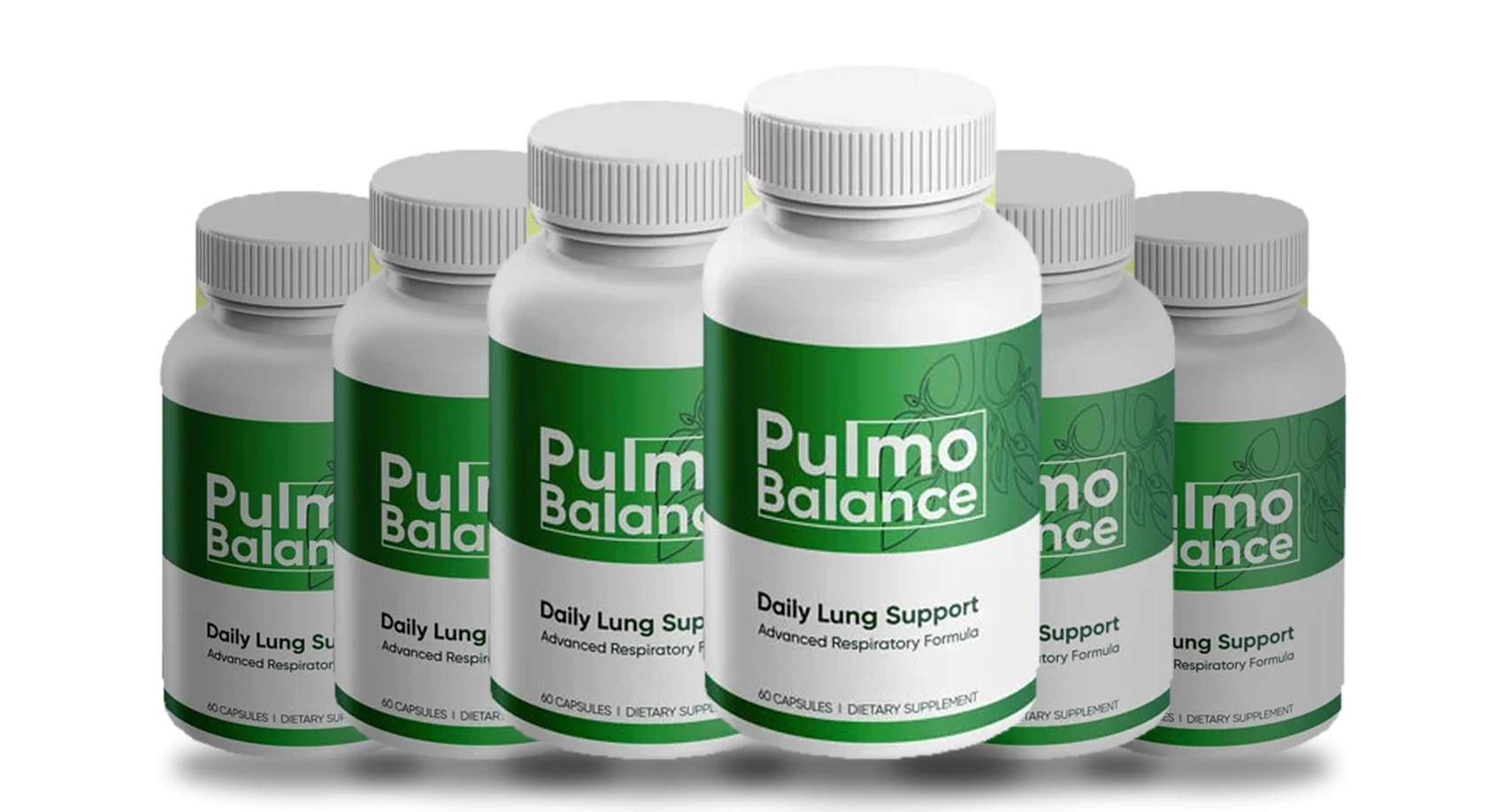
Consistency is where any formula earns its keep
Whether you choose NAC or a botanical blend, the ingredient only works if you actually take it every day. An easy-to-swallow capsule and a multi-bottle pack make that habit far more likely — several months of supply at a lower per-bottle price, backed by a 60-day guarantee.
Compare Pulmo Balance PackagesCost, convenience and the honest tie-breaker
On raw price per day, plain NAC can be inexpensive because you are paying for one compound. Pulmo Balance costs more per capsule because you are getting six botanicals in disclosed amounts, and multi-bottle packs bring the per-bottle price down considerably. But cost per day is the wrong lens if the two products are not doing the same thing — and they are not. NAC is a specialist; Pulmo Balance is a generalist. The fair comparison is not “which is cheaper?” but “which matches what I actually want from a daily routine?”
When readers push us for a single tie-breaker on Pulmo Balance vs NAC, we give the same answer we give for most comparisons: pick the one you will genuinely take every day, and the one whose scope matches your goal. If you want a laser-focused antioxidant precursor and nothing else, NAC is elegant. If you want broad, low-effort, everyday botanical support — mucus, antioxidants and seasonal balance in one swallow — the capsule is the more complete daily tool. Whatever you choose, the fundamentals still matter most: fresh air, a daily walk, good hydration to keep mucus thin, and less smoke and pollution exposure.
NAC has the trials. That is the honest headline.
If the comparison were decided on evidence volume alone, NAC would win it outright, and pretending otherwise would be dishonest. A systematic review and meta-analysis in PeerJ (2026) assessed N-acetylcysteine in the management of COPD, and a network meta-analysis in BMC Pulmonary Medicine (2026) ranked mucolytic agents against each other in the same population. Nothing comparable exists for a six-botanical blend.
Two things qualify that. First, almost all of the NAC evidence is in people with diagnosed COPD or chronic bronchitis, not in healthy adults looking for everyday support — a trial result does not automatically transfer to a different population. Second, the botanical route reaches mucus by a different mechanism, bromelain, reviewed in Nutrition and Health (2023), alongside five other ingredients rather than one. NCCIH’s Using Dietary Supplements Wisely is the right lens for both. If you have a diagnosed lung condition, this is a conversation for your doctor, not a purchasing decision.
For the over-the-counter equivalent of the same question, see the Mucinex comparison. Interactions matter here more than usual, so read the safety guide before combining anything, and if a smoking history is the reason you are looking, the smokers’ guide should come first.
See a doctor, not a supplement, for breathing that is getting worse. New, sudden or worsening breathlessness, a cough lasting more than three weeks, coughing up blood, chest pain, or a reliever inhaler that has stopped working can all signal asthma, COPD, infection or heart disease, and need assessing by a clinician. Seek emergency care for severe breathlessness, blue lips or chest pain. No dietary supplement treats, cures or prevents any lung condition.
Frequently asked questions
Pulmo Balance vs NAC — what is the main difference?
NAC (N-acetylcysteine) is a single amino-acid derivative valued as a precursor to the antioxidant glutathione and traditionally used to help thin mucus. Pulmo Balance is a once-daily capsule combining six respiratory botanicals — mullein, tiger milk mushroom, bromelain, maritime pine bark, nettle and asparagus — in disclosed amounts. NAC is one focused compound; Pulmo Balance covers several angles at once.
Does Pulmo Balance contain NAC?
No. Pulmo Balance is a plant-based botanical formula and does not contain NAC. It approaches mucus and antioxidant support through botanicals instead — bromelain for mucus and maritime pine bark for antioxidants — rather than through the amino-acid derivative NAC.
Can I take Pulmo Balance and NAC together?
Some people do combine a botanical formula with NAC, but because NAC can interact with certain medications and its supplement status has been debated, you should check with your doctor or pharmacist before combining them, especially if you take any prescription medicine.
Is NAC or Pulmo Balance better for mucus?
NAC has a long reputation as a mucolytic that helps thin mucus. Pulmo Balance approaches the same goal through bromelain, a pineapple enzyme traditionally used to thin thick mucus, plus mullein to soothe the airways. Neither is a treatment for a medical condition; the capsule simply pairs mucus support with five other botanicals in one daily dose.
Why can NAC be hard to find on shelves?
NAC’s status as a dietary supplement in the United States has been the subject of regulatory debate, which has affected how and where it is sold at different times. Availability can therefore vary by retailer. A botanical formula like Pulmo Balance avoids that particular uncertainty.
About the Pulmo Balance Research Team
The Pulmo Balance Research Team is an independent group of writers and reviewers focused on respiratory wellness. We compare popular options fairly — including single-compound supplements such as NAC — and describe the traditional and general use of ingredients in plain English. Our guides are for information only and are not medical advice; please talk to your doctor before starting or combining supplements, especially if you take medication.
References
- The efficacy of N-acetylcysteine in the management of chronic obstructive pulmonary disease: a systematic review and meta-analysis — PeerJ, 2026. PMID 42473447.
- Efficacy and safety of mucolytic agents in patients with chronic obstructive pulmonary disease: a systematic review and network meta-analysis — BMC Pulm Med, 2026. PMID 41688985.
- Efficacy and safety of bromelain: A systematic review and meta-analysis — Nutr Health, 2023. PMID 37157782.
- Using Dietary Supplements Wisely — NCCIH.
- Research on an ingredient is not evidence about a finished product. Every PubMed identifier above was re-checked against the NCBI record on 3 September 2026 and resolves to the paper named beside it.
† These statements have not been evaluated by the FDA. This product is not intended to diagnose, treat, cure or prevent any disease. This article is for general information only and is not medical advice.