Pulmo Balance Maritime Pine Bark: What It Is and Why It Is Used
Maritime pine bark in Pulmo Balance is an extract of Pinus pinaster bark, rich in proanthocyanidins and used as an antioxidant. It is one of the six named botanicals in the capsule. The exact amount is printed on the bottle's Supplement Facts panel, not on the site. Read the bark extract line on the label, and compare the stated amount with other plant ingredients in the list.
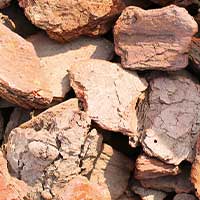
Pulmo Balance maritime pine bark is the antioxidant bark in the capsule. It is one of six named botanicals, and it is the ingredient where the research story is the most mixed. This guide explains what maritime pine bark is, why it is in the formula and what the evidence does and does not say.
We are an independent guide, not the seller. We describe ingredients by traditional or general use. Nothing here is medical advice, and research on one ingredient is never proof about a finished product.
What is maritime pine bark?
Maritime pine bark comes from Pinus pinaster, a pine tree that grows along the coast of southern Europe. The bark is made into an extract that is rich in proanthocyanidins. These are plant compounds known for their antioxidant role. On the Pulmo Balance label it is listed as a bark extract, and the site describes it as a powerful antioxidant bark studied for supporting healthy circulation and cells.
Why is maritime pine bark in Pulmo Balance?
Your lungs meet the outside air all day. City air, dust, pollen and dry indoor heat all add up. Antioxidants are the part of nutrition that is linked with how cells handle that everyday wear. That is the role of maritime pine bark in this blend. It sits next to mullein leaf and tiger milk mushroom, which lead the formula, and next to bromelain, stinging nettle and asparagus.
The site is clear about the framing. Pulmo Balance is everyday wellness support. It is not a drug and it is not a remedy for any lung condition. Our guide to Pulmo Balance ingredients shows how all six botanicals fit together.
What does the research on maritime pine bark say?
The home page is candid here, and we think that is the right way to write about it. The verdict on this ingredient is mixed. A Cochrane review of pine bark extract (2020) looked across chronic disorders and found the trials small and inconsistent. We do not dress that up. Separately, work in Food and Chemical Toxicology (2013) examined the effect of pine bark on airway inflammation in an animal asthma model. Animal work is an early signal. It is not a result in people.
So what is a fair summary? Maritime pine bark is a well-known antioxidant extract with a lot of interest around it. The human evidence is limited and not consistent. That does not make it a bad ingredient to include in a daily botanical blend, but it does mean you should not expect it to carry the product on its own.
Six named botanicals in one capsule a day, with a 60-day money-back guarantee from the seller.
See today’s price and guaranteeAffiliate link: we may earn a commission at no extra cost to you.
How much maritime pine bark is in the capsule?
The site does not publish the amount. It says the exact amount of each botanical is printed on the Supplement Facts panel on your bottle, and we do not invent numbers. When the bottle arrives, read the panel and compare the serving, the amount for each botanical and the other ingredients. Our guide on how to choose a lung health supplement lists the label points worth checking in any product.
The routine is simple. Take one capsule a day with water at any time you will remember. A bottle holds 60 capsules, so it lasts about two months. Because botanicals build up gradually, the site stresses steady daily use. See how to take Pulmo Balance for timing tips.
Who should be careful with maritime pine bark?
Plant-based does not mean risk-free. Pine bark extracts can interact with some medicines, so this matters most for people on regular prescriptions. The site tells anyone who is pregnant, nursing, under 18 or taking medicine to ask a physician first. If you have a known allergy to pine or to any other botanical in the formula, do not take the capsule without medical advice.
The simple rule is to show your doctor or pharmacist the label before you start. For more on this, read is Pulmo Balance safe.
A note for smokers and ex-smokers
Many people look for antioxidant support after they quit smoking. The honest message is that more antioxidant is not always better. Large trials of high-dose beta-carotene in smokers pointed the wrong way, and the site says that lesson matters. Pulmo Balance is a botanical formula and contains no beta-carotene, but a doctor should still see your supplement list. Quitting is the step with the strongest evidence. Read our guide to lung supplements for smokers for the full picture.
Key facts
- Maritime pine bark is a bark extract from Pinus pinaster, rich in proanthocyanidins.
- It is one of six named botanicals in a once-daily capsule.
- The research is mixed: a 2020 Cochrane review found the trials small and inconsistent.
- The amount is on your bottle's Supplement Facts panel and is not listed on the site.
- 60 capsules per bottle; 60-day money-back guarantee from the seller.
Our view
Maritime pine bark brings the antioxidant angle to Pulmo Balance. It is a reasonable part of a six-botanical blend, but the evidence is mixed and we say so plainly. Read the bottle panel, ask your doctor if you take medicine and judge the capsule as a whole, not by this one ingredient. If you want to see how it compares with other approaches, read Pulmo Balance vs NAC.
New, sudden or worsening breathlessness needs a clinician, not a supplement. Seek emergency care for severe breathlessness, chest pain or blue lips.
Check the current price and the 60-day guarantee on the official store.
See today’s price and guaranteeAffiliate link: we may earn a commission at no extra cost to you.
Frequently asked questions
What is maritime pine bark in Pulmo Balance?
It is an extract of Pinus pinaster bark, rich in proanthocyanidins and used as an antioxidant. It is one of six named botanicals in the capsule.
Is the research on maritime pine bark strong?
It is mixed. A 2020 Cochrane review of pine bark extract found the trials small and inconsistent, and animal work is only an early signal. Research on an ingredient is not proof about the finished product.
How much maritime pine bark is in each capsule?
The site does not publish the amount. It says the exact amount of each botanical is printed on the Supplement Facts panel on your bottle.
What is maritime pine bark extract made from?
It is an extract of Pinus pinaster bark. It is rich in proanthocyanidins and is used as an antioxidant in the Pulmo Balance capsule.
What is the scientific name of maritime pine?
The site names it Pinus pinaster. The extract comes from its bark and is rich in proanthocyanidins.
† These statements have not been evaluated by the FDA. This article is for general information only and is not medical advice. Ask your doctor before you start any supplement.